Guides Exercise & Activity
18 months +
Exercise for an adult Doberman
Updated November 2026 · By Owego Dobermans
The short answer
Plan on daily exercise every day, not just on weekends: long walks, off-leash play in a fenced area, and a few minutes of training or nose work. Wait until growth is complete before regular running or jumping, build distance slowly, and walk early or late in hot weather.
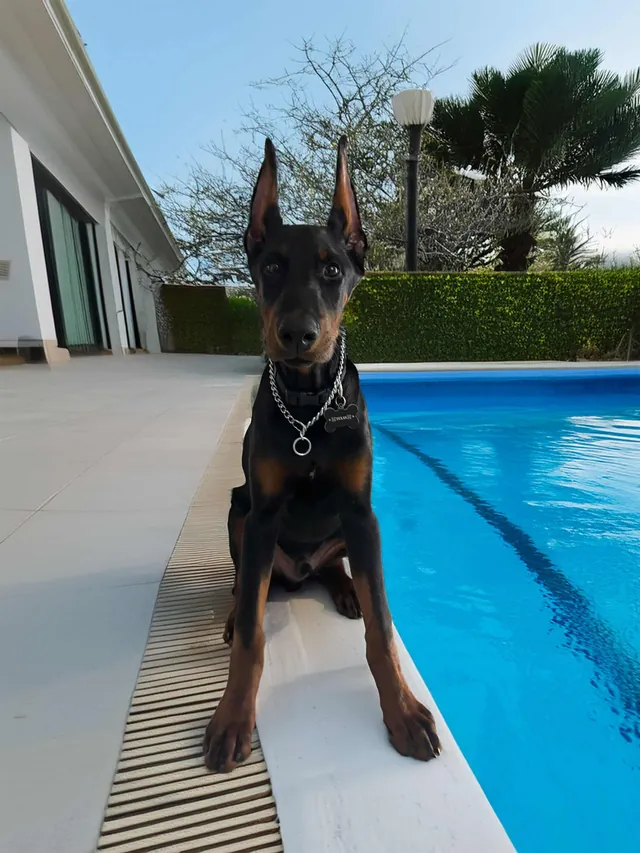
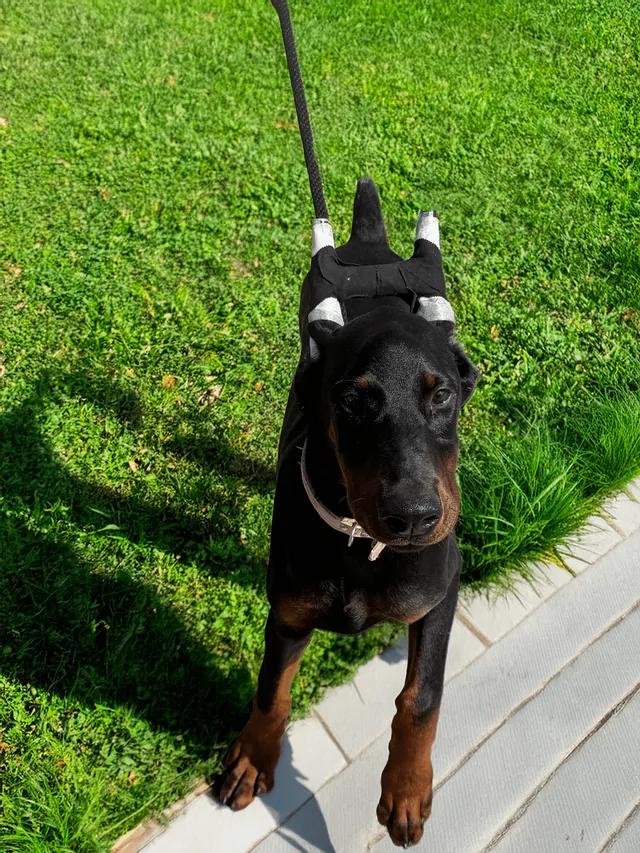
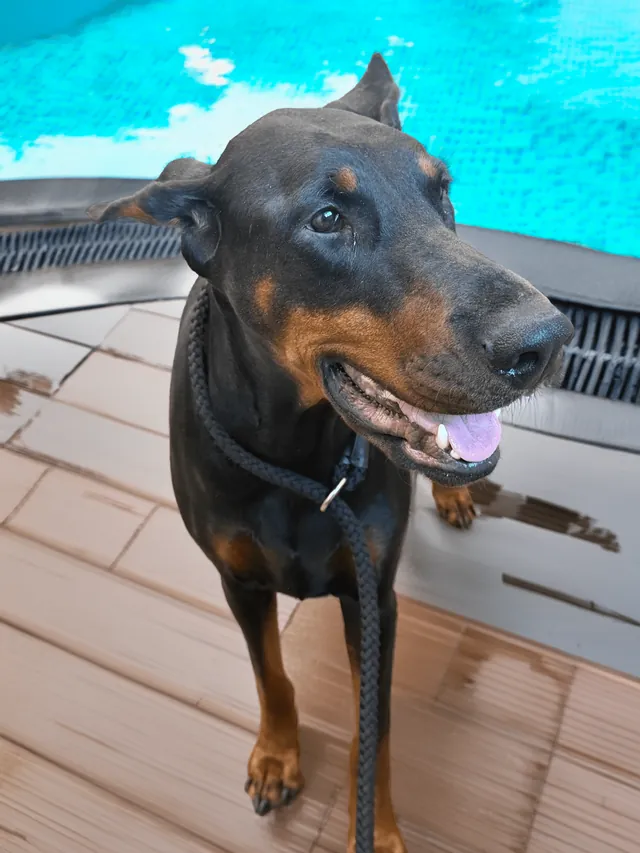
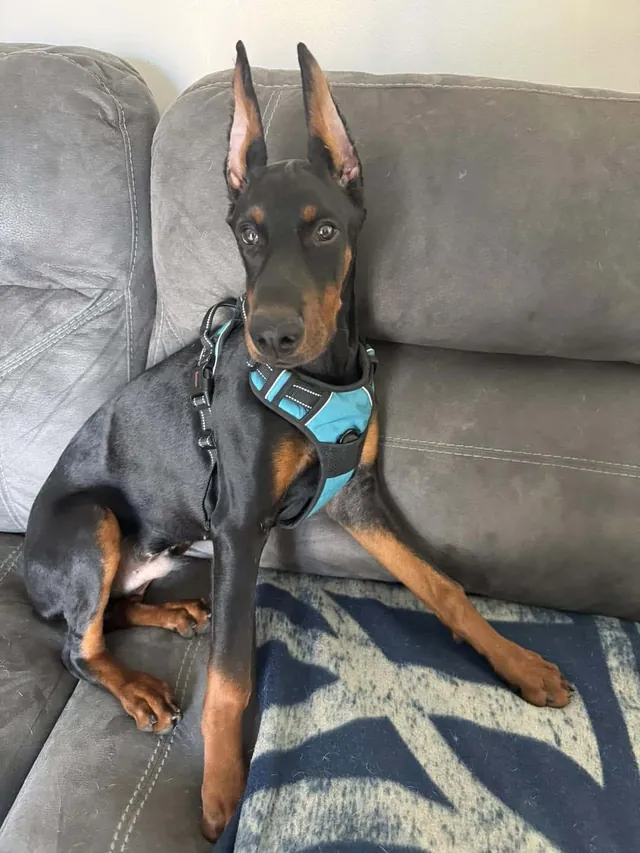
Dobermans are athletic, smart working dogs. The AKC describes them as high-energy dogs that make great hiking companions, love long daily walks and need mental challenges as well as physical ones. A Doberman that doesn't get enough of either usually finds its own projects, like chewing, barking or pacing.
How much is enough
Every dog is different, but in our experience most healthy adult Dobermans do best with at least an hour of activity a day, split between walks, free play and short training sessions. A tired Doberman is calm at home. If yours is restless in the evening, add more mental work before adding more miles.
A sample week
| Day | Morning | Evening |
|---|---|---|
| Mon | 45-minute brisk walk | 10 minutes of training, puzzle feeder |
| Tue | Fetch or flirt pole in a fenced yard | 30-minute sniff walk |
| Wed | Jog or bike session (built up gradually) | Nose work game indoors |
| Thu | 45-minute walk | Class or practice for a dog sport |
| Fri | Fenced play with a known dog friend | 30-minute walk, chew |
| Sat | Hike or long new-route walk | Rest and a short walk |
| Sun | Easy day: short walks, training games | Brushing and nail trim |
When to start running and jumping
The AKC advises no strenuous exercise or jumping until growth plates close, at about 1 to 2 years depending on breed. Ask your vet before starting regular runs. Then:
- Start with short jog intervals inside a walk and add a few minutes each week.
- Run on grass or dirt when you can, and check paws after pavement runs.
- Stop before your dog looks tired. Dobermans will often keep going past the point they should.
Exercise and meals
Because Dobermans are at risk of bloat, keep hard exercise away from mealtimes. See feeding an adult Doberman for more.
Mental work counts
- Nose work: hide treats or a toy and let your dog search.
- Training sessions: 5 to 10 minutes of new tricks or sharper obedience.
- Food puzzles: serve part of a meal in a puzzle feeder or snuffle mat.
- Dog sports: obedience, rally, agility, tracking, scent work and others give a Doberman a job.
Heat and cold
A short, thin coat means Dobermans feel both extremes. In Florida, we walk early in the morning and after sunset in summer, and we always carry water. Warning signs of heatstroke listed by the AVMA include heavy panting, drooling, weakness, confusion, vomiting and abnormal gum color.
Heatstroke first aid (AVMA): head for the nearest vet right away and start cooling on the way. Move your dog into shade or air conditioning, put towels soaked in room-temperature water on the neck, armpits and groin, and use a fan. Don't put your dog in a tub of cold water.
In cold weather, a fitted dog coat helps on long walks, and Dobermans should live indoors with the family.
Frequently asked questions
How much exercise does a Doberman need each day?
Most healthy adults do best with at least an hour a day of walks, play and training, plus some mental work. Needs vary, so watch how settled your dog is at home.
When can I start running with my Doberman?
After growth plates close, which the AKC puts at about 1 to 2 years depending on breed. Get your vet's okay and build up gradually.
Can a Doberman live in a hot climate?
Yes, with care. Exercise early and late, carry water, never leave your dog in a car, and learn the signs of heatstroke.