Guides Training & Behavior
18 months +
Training and behavior for adult Dobermans
Updated November 2026 · By Owego Dobermans
The short answer
Keep training going after puppyhood: short daily sessions, rewards for calm focus, and steady rules. Work on loose-leash walking and focus around distractions, manage reactivity with distance, don't encourage guarding or aggression, build up time alone gradually, and give your Doberman a job through dog sports.
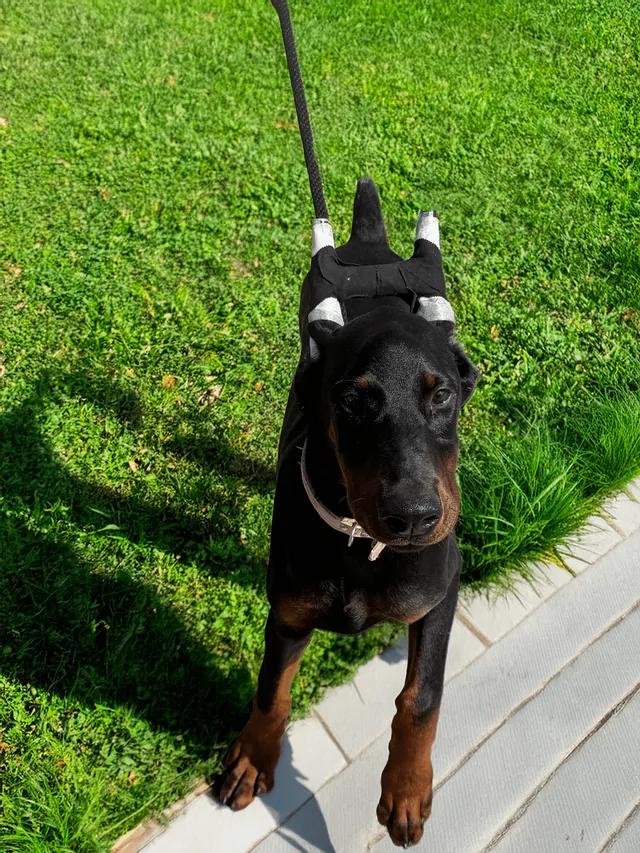
Training doesn't stop at a year. Many Dobermans go through a testing, teenage phase well into their second year, and they're smart enough to learn bad habits as quickly as good ones. For the basics, see Doberman puppy training on our puppy guide.
The adolescent stretch
Between about 1 and 3 years, it's common for a Doberman who knew "come" perfectly to suddenly ignore it. Go back a step: practice in easier places, use better rewards, and use a long line before trusting recall off leash again. Consistency through this stage gives you the calm adult you're hoping for.
Loose-leash walking
- Reward your dog often for being next to you, especially in the first minutes of a walk.
- When the leash goes tight, stop. Move again when it loosens.
- Use a well-fitted harness or flat collar. For a strong puller, a front-clip harness helps while you train.
Reactivity on leash
The AKC explains that reactivity is emotional arousal, like barking or lunging at passersby, which can grow into aggression, while leash frustration is a dog upset at being held back from greeting. Either way, the approach is similar:
- Teach focus on you around distractions and reward it generously.
- Keep enough distance that your dog can still take treats and listen.
- Close the distance slowly over weeks as your dog stays calm.
- Avoid crowded places while you train, and skip on-leash greetings with strange dogs.
Protective behavior, done right
Dobermans are naturally alert and loyal to their family, and they don't need to be taught to guard. A well-trained Doberman notices, checks in with you, and settles when you say it's fine. Don't encourage barking at visitors or play that rewards aggression. Teach a solid "place" or "settle" for when guests arrive. If you're interested in protection sports, work only with an experienced, reputable club or trainer.
The velcro dog and time alone
Dobermans love to be with their people, which is why they're called velcro dogs. That closeness can turn into separation anxiety. The AKC lists signs such as pacing, whining or trembling as you get ready to leave, constant barking, destruction around doors and windows, house accidents, drooling, and frantic escape attempts.
- Practice short, boring departures and build up slowly.
- Give a long-lasting chew or food puzzle as you leave.
- Exercise before long absences.
- Keep arrivals and departures calm.
If your dog panics, injures itself or can't be left at all, see your vet. A veterinary behaviorist can help, sometimes with medication alongside training.
Give your Doberman a job
Obedience, rally, agility, tracking, scent work, dock diving and other sports suit the breed's brains and athleticism. A weekly class gives you structure and gives your dog something to look forward to.
When to get help: for growling, snapping, biting or reactivity that's getting worse, work with a certified trainer who uses reward-based methods, or ask your vet for a referral to a veterinary behaviorist. Pain can also cause sudden behavior changes, so rule it out first.
Frequently asked questions
Is it too late to train an adult Doberman?
No. Adult Dobermans learn quickly with short, consistent, reward-based sessions. Older dogs may need more patience to change long-standing habits.
Do I need to teach my Doberman to guard?
No. Dobermans are naturally alert and loyal. Focus on obedience and calm behavior with visitors instead of encouraging barking or aggression.
How do I know if my Doberman has separation anxiety?
Signs include pacing or whining as you prepare to leave, constant barking, destruction near doors or windows, accidents and escape attempts. Talk to your vet if the signs are severe.